


Want to listen to YouTube Music tracks on your iPod without relying on an internet connection? The key is to prepare ordinary audio files on your computer and sync them to your device. YouTube Music's in-app offline downloads are managed within the service and cannot simply be imported into a computer's music library as regular audio files.
To help you out, this post has compiled a step-by-step tutorial to prepare local audio files from YouTube, then import them into your computer's music library and transfer them to your iPod using Finder on Mac or Apple Devices on Windows. The instructions cover both the iPod touch and older models, including the iPod classic, nano, and shuffle. Keep reading to get started.
Before Transferring: Check Your iPod's Audio Format Compatibility and Storage
Before syncing music to your iPod, check two things: whether your device supports the audio format and whether it has enough space for your songs. The supported formats and available storage can vary by model and generation, so it's best to verify both before transferring a large music collection.
Choose a Compatible Audio Format
Before transferring music, check which audio formats your iPod supports. The supported formats vary by model and generation, so use this table as a quick reference.
| iPod model | Supported audio formats |
| iPod classic | MP3, AAC, Apple Lossless, WAV, AIFF |
| iPod nano | MP3, AAC, HE-AAC, Apple Lossless, WAV, AIFF |
| iPod shuffle | MP3, AAC, Apple Lossless, WAV, AIFF |
| iPod touch | MP3, AAC (including AAC-LC and HE-AAC variants), Apple Lossless, WAV/Linear PCM, AIFF, FLAC, and supported Dolby Digital audio |
MP3 is a practical choice for broad compatibility, especially with older iPod models. AAC/M4A may also work, depending on the device and encoding. FLAC support should not be assumed for older iPod models. Protected audio files and Audible audiobook formats have separate compatibility requirements.
Check Available Storage Before Syncing
Audio file sizes vary with their format, bitrate, duration, and encoding settings. Use this checklist before transferring your music:
- Check available space: Review your iPod's remaining storage.
- Choose what to sync: Select specific albums or playlists if your device has limited space.
- Keep file sizes in mind: Higher-bitrate or uncompressed audio files generally take up more space than comparable compressed files.
- Verify the transfer: After syncing, check that the songs appear and play correctly, then review the remaining storage.
- If a song doesn't play after syncing, check both its codec and your iPod's model-specific format support. If the device runs out of space, reduce the selection and sync again.
Steps to Download YouTube Music to iPod
Step 1. Download YouTube Music as Regular Audio Files
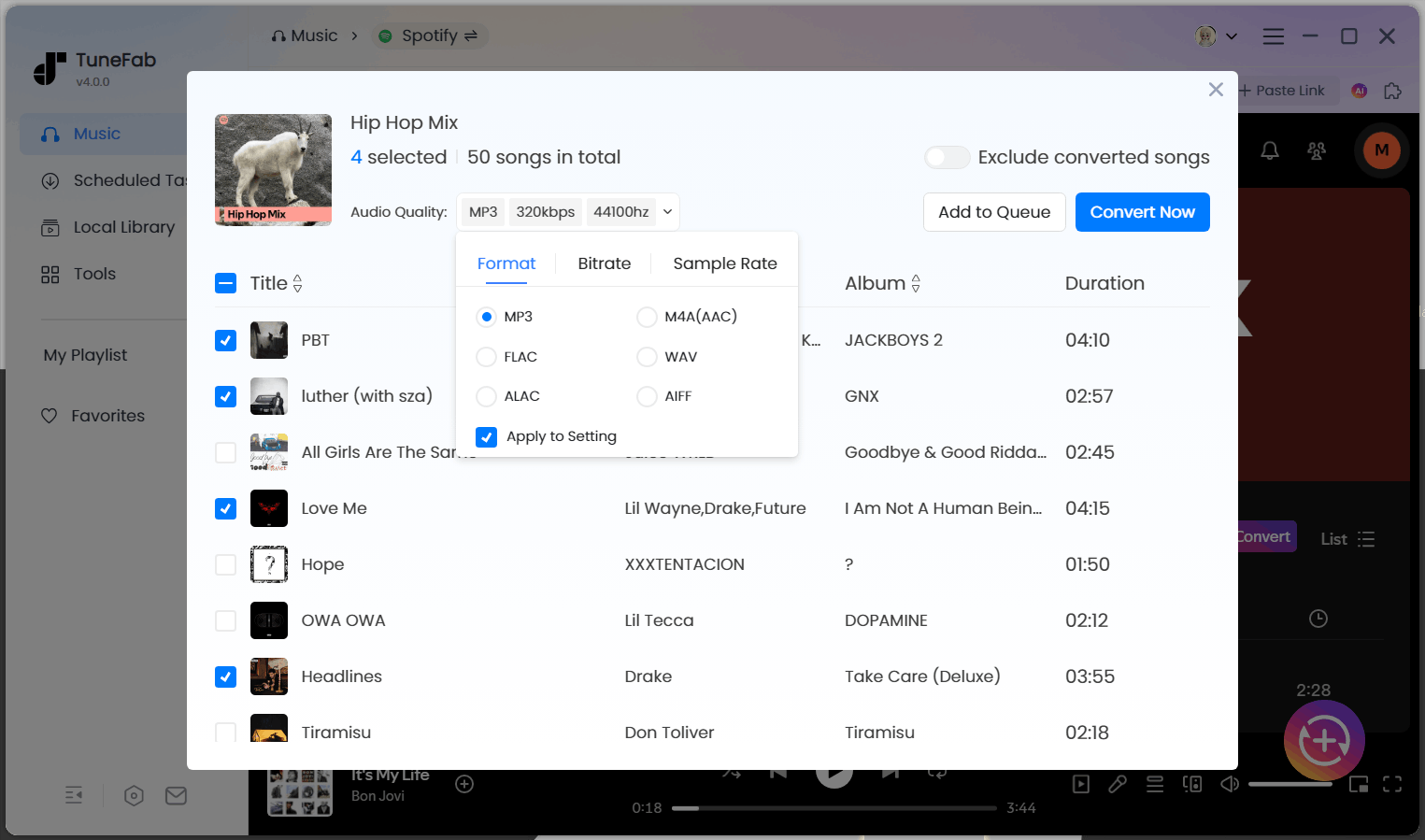
Like other mainstream music service providers, YouTube Music works in the same way that music included on the YouTube Music app can only be downloaded and streamed in an encrypted format (normally ACC.). To prepare compatible audio files for your iPod, you can use TuneFab YouTube Music Converter. Compatible with Windows and Mac, it is well-designed to smooth away the DRM restriction on YouTube Music and download them for offline listening.
Note: Make sure you only convert and transfer music that you have the legal right to use, in accordance with applicable laws, copyright requirements, and YouTube's terms of service.
Step 2. Transfer YouTube Music to Your iPod on Mac or Windows
On Mac: Use Music App and Finder
On modern versions of macOS, the Music app manages your music library, while Finder provides the device management and syncing interface for supported iPods. After downloading YouTube Music to your Mac, follow the instructions to transfer them.
1. Import your audio files into the Music app
Open the Music app on your Mac. From the menu bar, choose File > Import or the available option for adding files to your library, then select the audio files you prepared in Step 1. Depending on your import settings, the app may copy files into its media folder or reference their existing locations.

After importing, check that the songs appear in your library and play correctly.
2. Connect your iPod to your Mac
Connect your iPod using a compatible USB cable. Unlock the device if necessary and approve any connection prompts that appear. Open Finder and look for your iPod in the sidebar under Locations.
Select the device to open its management page. If it does not appear, check the cable, USB connection, and device compatibility with your version of macOS.
3. Sync Music
If Finder provides a Music tab for your iPod, open it and enable the option to sync music to the device. Depending on the available options, you may be able to sync your entire music library or select particular artists, albums, genres, and playlists.
Choose the content you want to transfer. If your iPod has limited storage, selecting specific playlists or albums can help you avoid filling the device.
Click Apply or Sync, depending on the interface, and wait until the transfer is complete before disconnecting your iPod.
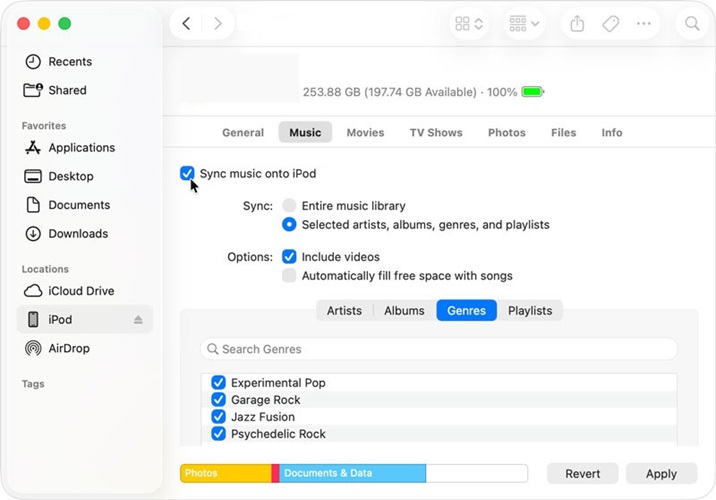
The available Finder options can vary by iPod model and macOS version. If your older iPod does not expose the expected syncing controls, check Apple's documentation for your particular device and system version before trying another workflow.
On Windows: Use Apple Music and Apple Devices
On Windows, Apple Music manages your music library, while the Apple Devices app handles syncing with iPods.
1. Import your audio files into Apple Music
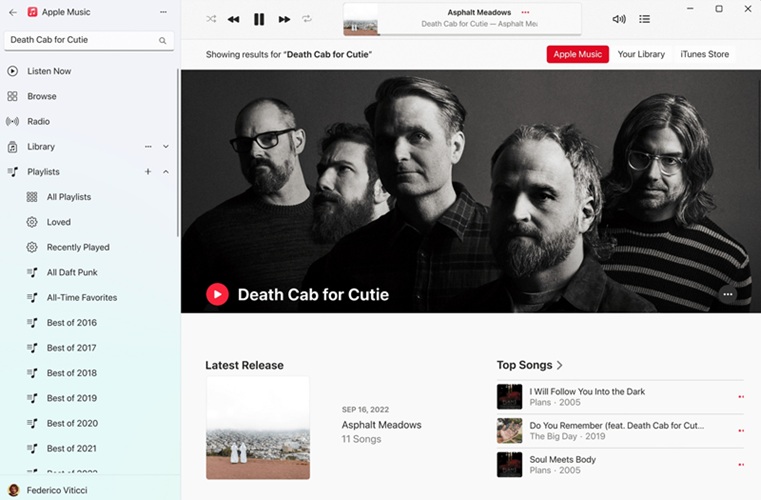
Open the Apple Music app on your Windows PC, then add the YouTube Music downloaded on your computer to the music playlist.
Note: Keep the original files in an accessible location. If you organize your music in folders, avoid moving or renaming files after importing them unless you update their locations in the library as needed.
2. Connect your iPod to your PC
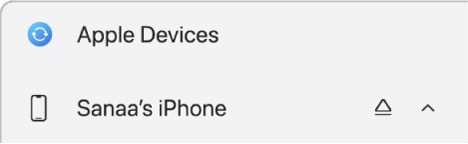
Connect your iPod using a compatible USB cable. Open Apple Devices and select your iPod from the sidebar if it appears.
If the device is not listed, check the cable and USB connection, confirm that the device is supported by your software version, and follow any prompts required to establish the connection.
3. Configure music syncing
Select the music syncing options available for your device. Depending on the model and software, you may be able to sync the entire library or choose specific music, albums, artists, or playlists. Now select the content you want on your iPod, then hit "Apply".
Note: For older models with limited storage, start with a smaller selection if you're unsure how much space your music will require.
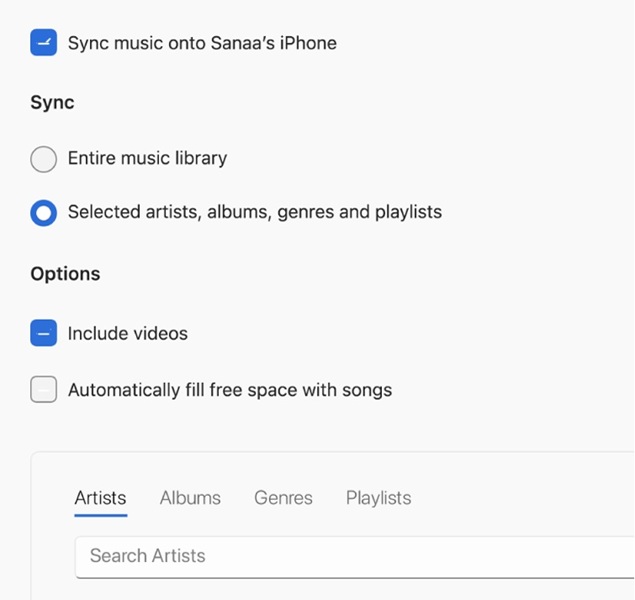
If you're using an older computer environment where iTunes still manages music and device syncing, you may be able to use it to transfer your local audio files to a compatible iPod.
The general process is to add the audio files to your iTunes library, connect your iPod, select the device, and configure the available music syncing options. You can then apply the changes and wait for the transfer to finish.
The exact menus and supported devices depend on your operating system and iTunes version. For modern Windows systems, use Apple Music and Apple Devices where supported; on modern Mac systems, use the Music app and Finder where supported.
FAQs About Downloading Music to iPod from YouTube
Can You Download YouTube Music Directly to an iPod touch?
No. The current YouTube Music app requires iOS 17 or later, while the iPod touch does not support iOS 17. You therefore can't install the latest YouTube Music app on an iPod touch. Instead, prepare regular audio files on your computer, import them into your music library, and sync them to your device. This approach also works for compatible iPod classic, nano, and shuffle models.
Why Is My iPod Not Showing Up in Finder or Apple Devices?
If your iPod doesn't appear on your computer, start with the USB connection. Try another compatible cable or USB port, and reconnect the device. Check whether the iPod is powered on and whether your computer recognizes it. You should also confirm that your operating system and Apple software support your particular iPod model. For older iPods, the available device-management options may differ from those shown in current guides, so check Apple's documentation for your model and system version.
Conclusion
Transferring YouTube Music to an iPod depends on your device's format compatibility and the syncing options available on your computer. Once you have compatible local audio files, import them into your music library and sync them using Finder on a supported Mac or Apple Devices on Windows. If you're using an older computer environment, iTunes may still be suitable.
Before transferring a large collection, check your iPod's model, supported audio formats, and available storage. TuneFab YouTube Music Converter can help prepare audio files for this workflow, while the Music app and your computer's device-management software handle the library and syncing steps. Choose the method that fits your iPod and computer setup, and test a few tracks before transferring your entire collection.

