


"Can I DJ with Apple Music?"
Yes, but only in supported DJ apps and ecosystems. Today, Apple Music works best as a streaming source for practice, discovery, and set planning in software like djay, Serato, and rekordbox. It is still not the same as owning local DJ files, so if you need maximum control for live use, local files still matter.
This guide explains what Apple Music can do for DJs now, where it still falls short, and when a local-file workflow makes more sense.
- Part 1. Can You Use Apple Music in DJ Software Now?
- How Apple Music DJing Works Today
- What Apple Music Is Good for in DJing
- Where Apple Music Still Falls Short for DJing
- Part 2. Why Some DJs Still Need Local Files
- Part 3. How to Get Apple Music Songs Ready for More Flexible DJ Use
- FAQs About How to DJ with Apple Music
- Conclusion
Part 1. Can You Use Apple Music in DJ Software Now?
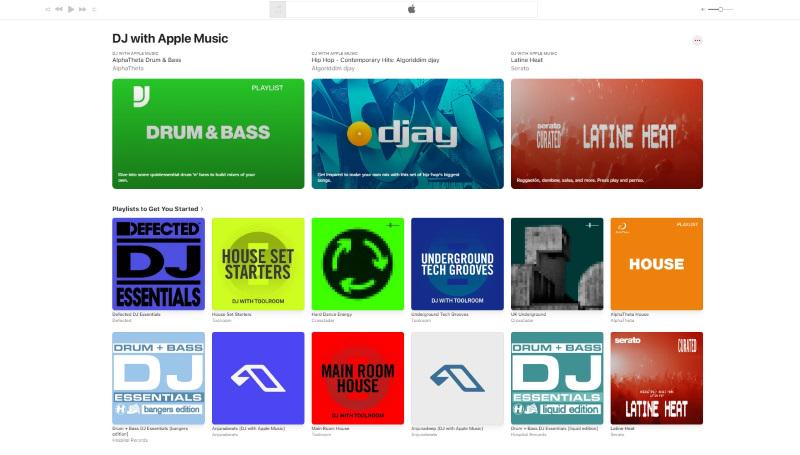
Yes, in supported DJ software. Apple Music now has official DJ integrations and partnerships, so you can stream and mix tracks directly in some apps and connected ecosystems. The best-known supported routes today include djay, Serato, and rekordbox.
That said, support is not universal, and Apple Music DJing is still different from working with local MP3, WAV, or AIFF files. The key question is not just whether it works, but where it works best and what limits still come with it.
How Apple Music DJing Works Today
We've established that you can DJ with Apple Music. But how does it actually work? What DJ software supports it, and what do you need to use it smoothly? Let's explore them one by one.
Streaming-Based DJing
Unlike a traditional DJ music library, Apple Music does not provide tracks as local files when used for DJing. Instead, it operates through a streaming-based model, where supported DJ software accesses and plays music directly from Apple Music in real time. This means the tracks are not stored on your device as MP3 or WAV files, and all actions, such as loading, playing, and switching songs, depend on live data streaming.
Even if you download songs within the Apple Music app, those downloads are only cached for offline listening and cannot be used as standard audio files in DJ software. In essence, you are mixing music from an online library rather than working with files you fully own and control.
If you want to use Apple Music tracks as local audio files for full DJ control, you can jump to Part 3 for a detailed solution.
Subscription Requirement
To use Apple Music within DJ software, a key requirement is that you must have an active Apple Music subscription. The "DJ with Apple Music" feature is not a standalone service but rather an extension of the Apple Music subscription into the DJing environment. This means that access to the full music library is only available while your subscription is active.
Supported DJ Platforms
Apple Music does not work the same way across every DJ platform, so it helps to think in terms of software-specific routes:
| Platform | Direct Apple Music Support? | Quick Guide |
| Djay Pro | ✅Yes | → How to Add Apple Music to Djay Pro? |
| Serato | ✅Yes | → Does Serato Work with Apple Music? |
| Rekordbox | ✅Yes | → How Does Apple Music Work with Rekordbox? |
| VirtualDJ | ❌No | → How to Use Apple Music in VirtualDJ? |
What Apple Music Is Good for in DJing
What exactly can DJs do with the "DJ with Apple Music" feature? It mainly comes down to three things:
1. Practice mixing
For non-professional DJs or beginners, using a DJ app that supports Apple Music lets you get straight into basic mixing—things like beatmatching, adjusting tempo, mixing in and out of tracks, and using EQ or filters. No need to prep a library in advance; you can just pick tracks and practice.
2. Quick track testing and set planning
You can browse, search, and preview the full Apple Music catalog right inside the DJ software to see if a track works for your set. You no longer have to listen on another platform, then go buy and download the track from a store. The whole process happens seamlessly within the software.
3. Finding inspiration
This is one of the perks of streaming. You can tap into Apple Music's human-curated playlists, algorithmic recommendations, artist radio, and more, all directly inside your DJ software. It's great for quickly building temporary playlists for themed parties or events.
Where Apple Music Still Falls Short for DJing
Apple Music works with DJ software more like a streaming service that's been given access, which opens up a lot of possibilities but also draws a clear line around what it can and can't do.
DRM and File Ownership Limitations
All the tracks on Apple Music are protected by DRM, meaning you don't actually own the audio files. They can only be played within Apple's ecosystem, so you can't work with them the same way you would with local files, things like exporting them to common audio formats, moving them between different software, or doing any deep editing or remixing.
On top of that, because everything depends on an active subscription, if your subscription status changes, your access to those tracks disappears. This also makes it hard to build and manage a personal music library over the long run, since you're not really building a collection that's truly yours. For DJs who rely on curating and refining their track selection over time, that's a pretty significant limitation.
Related Reading:
Platform-Specific Limits Still Matter
Apple Music support does not mean every DJ feature works the same way in every app. Some limits are platform-specific, so it is better to check the software you actually use instead of assuming one rule applies everywhere.
For example, Serato officially notes that Apple Music streaming tracks cannot be added to crates or smart crates. In other words, Apple Music support is real, but it still comes with workflow rules that do not fully match a traditional local-file library.
Performance Risks in Live Situations
When you're playing live, stability often matters more than anything else, and the streaming nature of Apple Music introduces some inherent risks. Because playback depends on an internet connection or caching, an unstable network can lead to loading delays or even dropouts during a set. For a proper performance, that's a tough risk to take. Any glitch or hiccup can directly affect the vibe. That's why, for critical live situations, most DJs still stick with local files, where they can count on maximum stability and control.
Part 2. Why Some DJs Still Need Local Files
From the features and limitations of DJ with Apple Music we covered above, it's clear that it doesn't fully meet the demands of live performance. It's more of a supporting tool, great for exploring ideas and practicing. In real-world use, a lot of DJs still choose to build their own local music libraries. That's not just a technical decision; it's more about having a setup that's stable and fully under their control.
With local files, you can edit, chop, and convert them however you like. You're in complete control of the audio. Your music isn't tied to a subscription, so you won't lose access if something happens to your account, and you can keep it around for the long haul, building a personal collection over time. And maybe most importantly, when you're playing out, you're not relying on an internet connection, so there's none of the uncertainty that comes with streaming.
For DJs who need more control, portability, and a more dependable local-file setup, see TuneFab Music Converter for DJ →.
Part 3. How to Get Apple Music Songs Ready for More Flexible DJ Use
If you like using Apple Music for discovery and practice but still want a local-file workflow, the practical next step is to save selected tracks in standard audio formats and then import them into your DJ software.
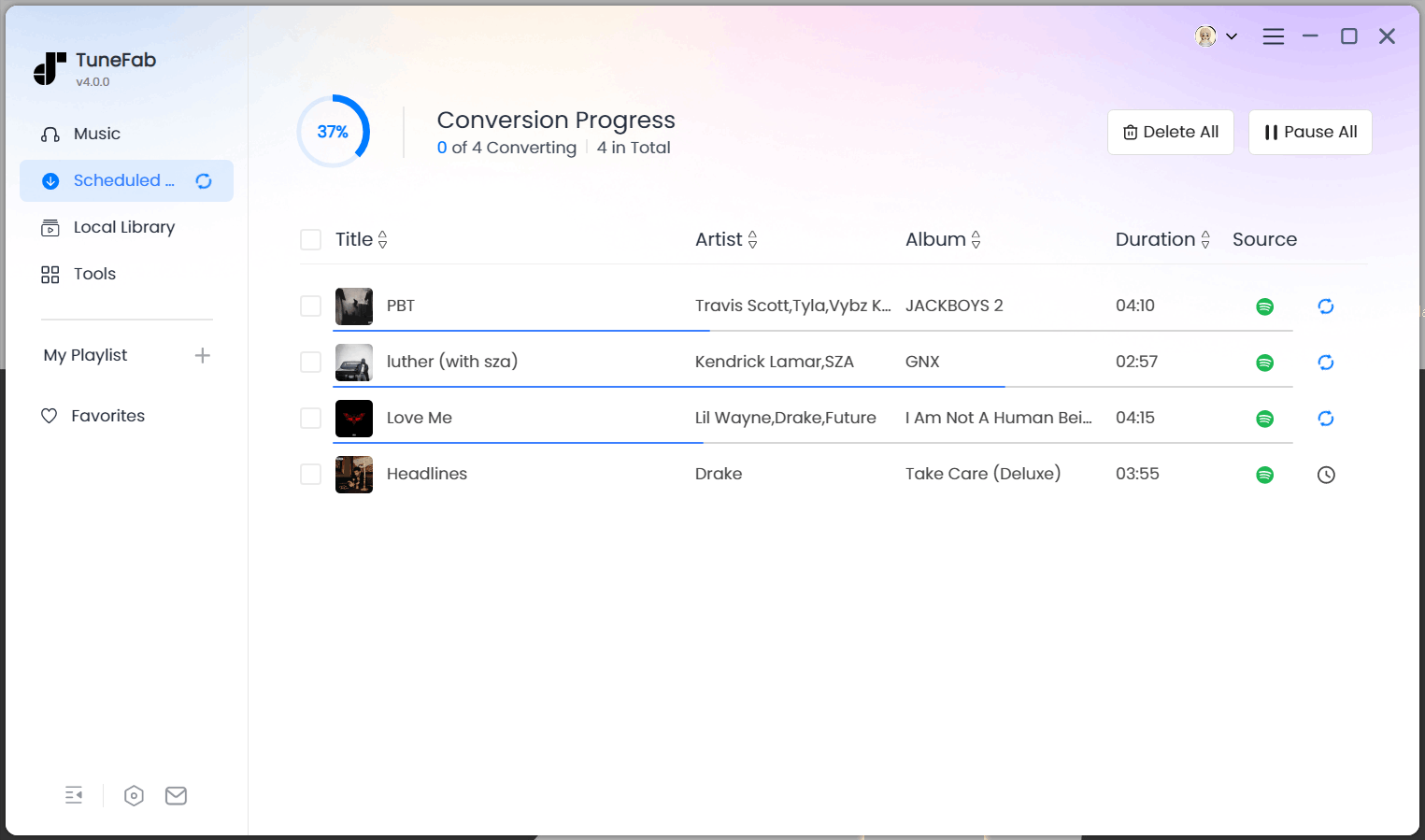
TuneFab Apple Music Converter can help with that by converting Apple Music tracks to common formats such as MP3 and keeping basic track information easier to manage after import. This route makes more sense when you want fuller file control, easier long-term library management, or a more predictable setup for practice and performance.
FAQs About How to DJ with Apple Music
Can you DJ with Apple Music offline?
Not in the same way as a normal local-file DJ workflow. Even if Apple Music lets you download songs inside its own app, those downloads are mainly for app-based offline listening, not standard audio files you can freely move into any DJ setup. In supported DJ ecosystems, Apple Music is still better understood as a streaming-based source rather than a portable local music library.
Can you DJ with Apple Music on professional equipment?
Not in the same way as a normal USB-based local-file workflow. Many professional DJ setups still rely on standard local audio files for direct playback and transfer. Some supported ecosystems now offer Apple Music streaming inside their own software or connected hardware routes, but that is still different from owning portable files you can move freely between devices and setups.
Is Apple Music enough for live DJing?
It can be enough for some DJs, especially for discovery, practice, and set planning in supported software. But for live performance, many DJs still prefer local files because they offer more control, better portability, and a more predictable workflow. So Apple Music can be a useful DJ tool, but it is not always a full replacement for a traditional local-file setup.
Can you build a DJ library using Apple Music?
You can build playlists in Apple Music, but it is not the same as building a true DJ library. Since the music is streamed, you do not own standard local audio files that you can organize, edit, export, and move freely across setups. Access also depends on an active subscription. For long-term library building, Apple Music works better as a discovery and set-planning tool than as the foundation of your core DJ collection.
Conclusion
Apple Music can now be a real DJ starting point, especially for discovery, practice, and set planning in supported apps. But it still does not replace the control and portability of a true local-file library.
So the most practical choice depends on your goal: if you want fast access and easy experimentation, Apple Music streaming can already help a lot. If you want deeper file control, long-term library building, or a more dependable live workflow, local files still make more sense.

