


You may already see Apple Music under shared subscriptions, but one family member still gets asked to subscribe. Or the invite looks accepted, but Apple Music still does not show up the way it should.
In most cases, the problem is not the music itself. It is usually the plan, the family setup, the Apple Account on the device, or the member’s invite status. Start with the common causes below, then move to the fixes that fit your situation.
Why Apple Music Family Sharing Is Not Working
When Apple Music Family Sharing stops working, the problem is usually one of these:
- You are not on the right Apple Music plan. Family Sharing alone does not mean Apple Music is included for everyone.
- The family member did not fully join the family group. The invite may look accepted, but access may still not be active yet.
- The wrong Apple Account is being used on the device. Family access and Media & Purchases need to line up correctly.
- The member is already linked to another family group. In that case, the shared Apple Music access may not come through as expected.
- Your country or region settings do not match. This can stop Apple services from sharing normally across the family.
If the organizer is still on an Individual plan, check how to switch between Apple Music Individual and Family plans first.
How to Fix Apple Music Family Sharing Not Working (7 Steps)
If the common causes above sound familiar, do not try everything at once. Start with the Apple Account on the device. Then check the family plan and the family member’s status. Leave the harder checks for the end.
Step 1. Sign Out of Media & Purchases and Sign Back In
Start on the device that cannot use Apple Music. Open Settings and tap your name. Tap Media & Purchases. Sign out, then sign back in with the Apple Account that should use the shared Apple Music plan.
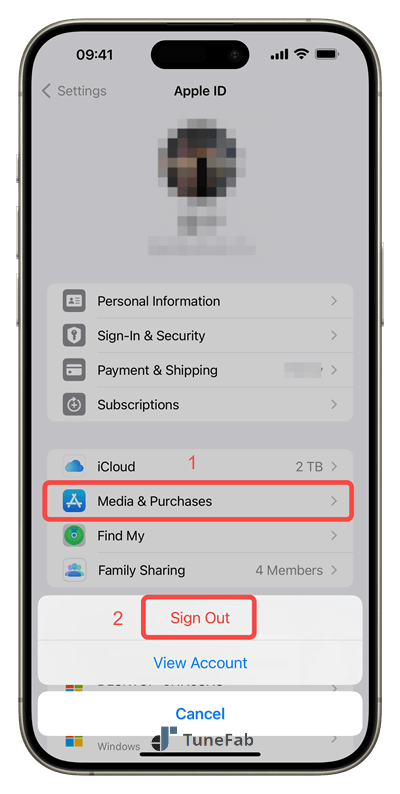
Now open Apple Music again. If the person still sees Subscribe, go to Step 2.
Step 2. Make Sure the Organizer Has the Apple Music Family Plan
Next, check the organizer’s side. Open Family Sharing settings. Make sure the organizer is on the Apple Music family plan, and make sure the person with the problem is still in the same family group.
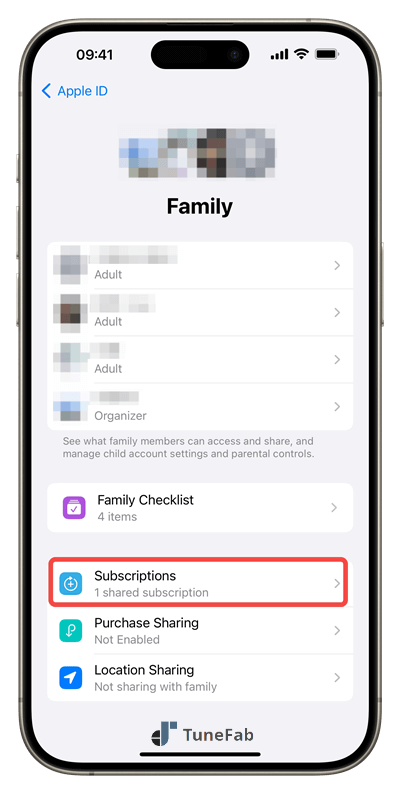
If both look right, go to Step 3.
Not sure whether the family setup is right? This Apple Music Family Sharing walkthrough is a good place to double-check the basics.
Step 3. Check the Apple Account on the Device
This step matters when the invite looks fine, but the device still acts like the person is outside the plan. On the family member’s device, check which Apple Account is being used for Media & Purchases. Then compare it with the account that should receive the shared Apple Music access.
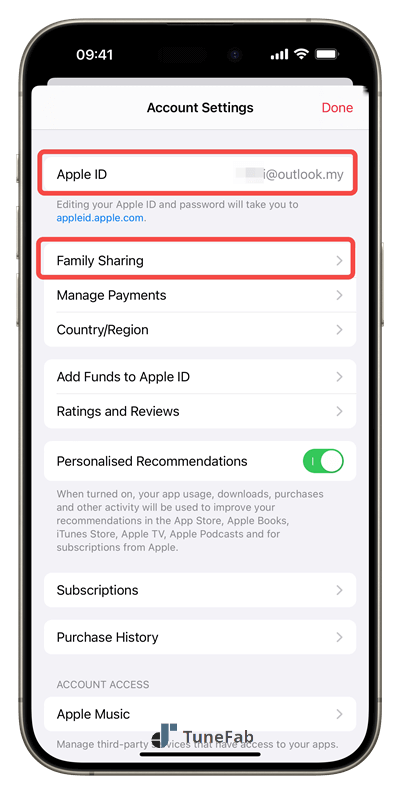
If the wrong account is signed in, fix that first. Then open Apple Music again and check one more time.
Step 4. Remove the Family Member and Add Them Again
If only one person has this problem, try resetting the family link. Remove that member from the family group. Then send a new invite and ask them to join again. After they accept it, reopen Apple Music on their device.
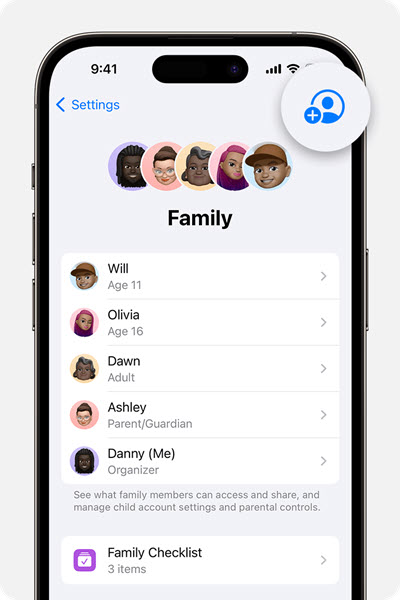
If nothing changes, go to Step 5.
If the problem started when you added someone new, this guide on adding a family member to Apple Music can help you check the invite flow again.
Step 5. Check Whether the Member Is Already in Another Family
If the rest of the family can use Apple Music, but one person still cannot, check their family status. That member may still be linked to another family group. If that is the case, Apple Music sharing may not come through on your side.
If the family status looks clear, move to Step 6.
Step 6. Check Whether the Country or Region Matches
If the plan, invite, and account all look right, check the region setting next. Make sure the organizer and the family member are using the same country or region on their Apple accounts. If they do not match, sharing may not work the way it should.
If the region also looks fine, go to the last step.
Step 7. Contact Apple Support
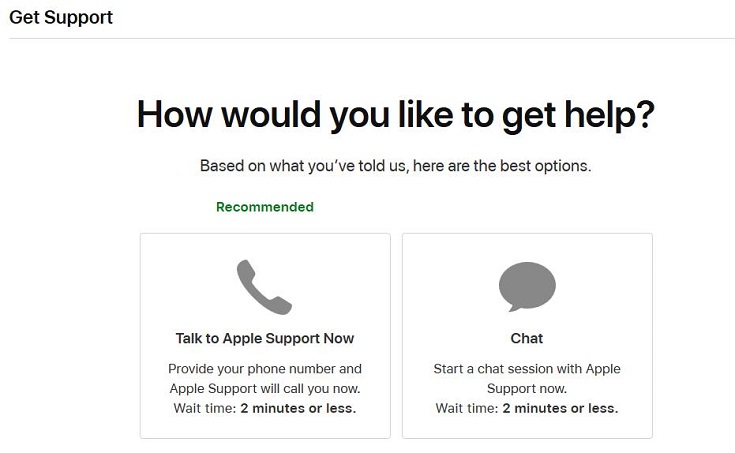
If you have already checked the account, the plan, the family member, and the region, it is time to contact Apple Support. At this point, the problem is less likely to be a simple setup mistake. It may be something tied to the subscription or account on Apple’s side.
A Different Way to Keep Apple Music Available on More Devices
If you are tired of fixing Family Sharing again and again, your real goal may be simpler. You may just want to keep Apple Music available on the devices you actually use.
In that case, local files can make more sense. Instead of depending on Family Sharing to unlock Apple Music on each device, you can keep songs in regular audio formats and use them more easily for offline playback.
That is where TuneFab Apple Music Converter fits better. It lets you save Apple Music as regular audio files like MP3, M4A, FLAC, and WAV. That gives you a simpler way to keep songs on the devices you actually use, especially if your real goal is offline playback, not fixing Family Sharing itself.
So this is not really another fix for Family Sharing. It is a simpler option for people who care more about stable offline access and wider device use.
If you would rather keep Apple Music as regular files, start with this guide on how to convert Apple Music to MP3.
FAQs About Apple Music Family Sharing Not Working
Can only one family member have this problem?
Yes. That is very common. If the rest of the family can use Apple Music, but one person cannot, the problem is usually on that member’s device or account, not on the whole family plan. In most cases, it is better to check that person’s Apple Account, family status, and invite status first instead of changing settings for everyone.
Can I join another Family Sharing group right away?
Not always. You can switch to a different family group only once every 12 months. If a member is still linked to another family, that can stop Apple Music sharing from working normally. So if one person cannot get access even after the invite looks fine, the family group status is worth checking.
Conclusion
If Apple Music Family Sharing is not working, the problem is usually not the music itself. In most cases, it comes down to the family plan, the Apple Account on the device, the family member’s status, or the region setting.
So before trying random fixes, check those parts in order. That is usually the fastest way to find the problem. If what you really want is easier offline playback on more devices, the local-file route may fit better.

